Understanding the Role of Dehumidification in Modern Environments
Humidity control plays a crucial role in maintaining air quality, protecting infrastructure, and ensuring efficient operations across industries. Excess moisture in the air can lead to a range of issues including mold growth, corrosion, product degradation, and reduced equipment lifespan. This is where a high-performance Commercial Dehumidifier becomes essential in both industrial and commercial environments.
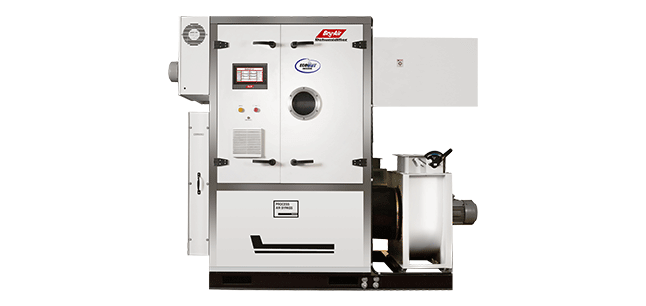
A commercial dehumidifier is designed to regulate humidity levels in large spaces such as warehouses, manufacturing plants, laboratories, and storage facilities. Unlike residential units, these systems are engineered for continuous operation and precise moisture control. By maintaining optimal humidity levels, businesses can ensure product quality, improve air conditions, and enhance operational efficiency.
Dehumidification is not just about comfort. It is a critical process that directly impacts productivity, safety, and long-term cost savings. When humidity is controlled effectively, it minimizes risks associated with moisture damage and creates a stable environment suitable for sensitive processes and materials.
Why Excess Humidity Is a Serious Concern
Impact on Infrastructure and Equipment
High humidity levels can cause structural damage over time. Moisture accumulation can weaken building materials, leading to cracks, peeling paint, and compromised integrity. In industrial settings, excess humidity can accelerate corrosion in machinery and metal components, resulting in increased maintenance costs and unexpected downtime.
Electrical systems are also vulnerable to high moisture levels. Condensation can lead to short circuits, equipment failure, and safety hazards. This makes humidity control essential for maintaining reliable operations and avoiding costly disruptions.
Effects on Product Quality and Storage
Many industries rely on controlled environments to preserve the quality of their products. Excess humidity can negatively affect pharmaceuticals, food products, electronics, and textiles. Moisture can cause spoilage, contamination, and degradation, leading to financial losses and compliance issues.
A controlled environment supported by an advanced dehumidification system ensures that products remain in optimal condition throughout storage and production processes. Maintaining consistent humidity levels is essential for meeting quality standards and regulatory requirements.
How Commercial Dehumidifiers Work
Desiccant Dehumidification Technology
Commercial dehumidifiers often use desiccant-based technology to remove moisture from the air. This process involves a desiccant material that absorbs water vapor, effectively reducing humidity levels even in low-temperature environments. Unlike conventional refrigeration-based systems, desiccant dehumidifiers are highly efficient in diverse conditions.
The air passes through a rotating desiccant wheel where moisture is captured. The collected moisture is then removed through a regeneration process, ensuring continuous and efficient operation. This advanced mechanism allows precise humidity control, making it suitable for critical applications.
Continuous and Reliable Operation
One of the key advantages of commercial systems is their ability to operate continuously without compromising performance. These units are designed for heavy-duty applications and can handle large volumes of air. This ensures that humidity levels remain stable even in demanding environments.
By using a high-quality Air Dehumidifier, businesses can achieve consistent performance and improved indoor air quality across various operational settings.
Benefits of Using a Commercial Dehumidifier
Improved Air Quality
Maintaining proper humidity levels significantly enhances indoor air quality. Excess moisture can create an ideal environment for mold, bacteria, and allergens. By reducing humidity, dehumidifiers help prevent the growth of these harmful elements, resulting in cleaner and healthier air.
Improved air quality is particularly important in environments where hygiene and safety are critical. This includes healthcare facilities, food processing units, and cleanrooms where contamination must be minimized.
Enhanced Operational Efficiency
Humidity control contributes directly to operational efficiency. When equipment operates in optimal conditions, it performs better and requires less maintenance. This leads to reduced downtime and increased productivity.
In manufacturing environments, controlled humidity ensures consistency in production processes. Materials behave predictably, reducing errors and improving overall output quality. This level of control is essential for maintaining efficiency and meeting production targets.
Energy and Cost Savings
Although installing a commercial dehumidifier involves an initial investment, it results in long-term cost savings. By preventing moisture-related damage, businesses can avoid expensive repairs and replacements. Additionally, efficient humidity control reduces the strain on HVAC systems, leading to lower energy consumption.
Energy-efficient systems are designed to deliver maximum performance with minimal power usage. This makes them a sustainable choice for businesses looking to optimize operations while reducing their environmental impact.
Applications Across Industries
Manufacturing and Industrial Facilities
In industrial environments, maintaining the right humidity level is critical for ensuring smooth operations. From metal processing to electronics manufacturing, controlled humidity prevents corrosion and protects sensitive components.
Dehumidifiers also help maintain optimal working conditions for employees, contributing to safety and productivity. Consistent environmental conditions ensure that processes run efficiently without interruptions.
Warehousing and Storage
Warehouses often store goods that are sensitive to moisture. High humidity can damage packaging, promote mold growth, and reduce the shelf life of products. A commercial dehumidifier ensures that storage conditions remain stable and suitable for long-term preservation.
This is particularly important for industries dealing with pharmaceuticals, food products, and paper goods. Proper humidity control helps maintain product integrity and reduces the risk of losses.
Healthcare and Laboratories
Healthcare facilities and laboratories require strict environmental control to maintain hygiene and accuracy. Excess humidity can compromise sterilization processes and affect sensitive equipment.
Dehumidification systems help create a controlled environment that supports safety and compliance with industry standards. This ensures that operations run smoothly and that results remain reliable.
Key Features to Look for in a Commercial Dehumidifier
Capacity and Performance
Choosing the right dehumidifier depends on the size of the space and the level of humidity control required. High-capacity units are suitable for large industrial areas, while smaller units may be used for specific zones.
Performance efficiency is also an important factor. A reliable system should be able to maintain consistent humidity levels without frequent adjustments or interruptions.
Energy Efficiency and Durability
Energy-efficient systems help reduce operational costs while maintaining high performance. Durable construction ensures that the unit can withstand demanding conditions and operate for extended periods without failure.
Investing in a robust and efficient system ensures long-term reliability and cost-effectiveness. This is essential for businesses that rely on continuous operation.
Ease of Maintenance
Maintenance plays a crucial role in ensuring the longevity of a dehumidifier. Systems that are easy to maintain and service help reduce downtime and operational disruptions.
Regular maintenance ensures optimal performance and prevents potential issues before they escalate. This contributes to the overall efficiency and reliability of the system.
Conclusion
A commercial dehumidifier is a vital component in maintaining air quality and ensuring efficient operations across various industries. By controlling humidity levels, businesses can protect their infrastructure, preserve product quality, and enhance overall productivity. Advanced systems offer reliable performance, energy efficiency, and long-term cost savings, making them an essential investment for modern environments.
From industrial facilities to healthcare settings, the benefits of effective humidity control are far-reaching. Implementing a high-quality dehumidification system ensures a stable and safe environment that supports both operational goals and regulatory compliance. For businesses looking to improve air quality and efficiency, investing in the right solution is a strategic decision that delivers lasting value.
To explore suitable solutions or get expert guidance, visit the Contact Us page and connect with professionals who can help you choose the right system for your needs.