In today’s world, the need for robust security measures has never been higher. From airports to government buildings, ensuring the safety of individuals and property is a top priority. Over the years, technology has evolved to meet these demands, bringing advanced solutions like body scanners and radiation detectors to the forefront of security protocols. These innovations not only enhance safety but also streamline the process, making it more efficient and less intrusive.
Body scanners and radiation detectors are two such technologies that have become integral to security operations worldwide. These devices are designed to detect threats that would otherwise go unnoticed, providing an additional layer of protection. Whether it’s at a bustling airport or a quiet customs checkpoint, these tools like the body scanner are working behind the scenes to keep everyone safe.
But how exactly do these technologies work? What makes them so effective? And what are some real-world examples of their success? Let’s dive into the fascinating world of body scanners and radiation detectors to find out.
How body scanners ensure safety
Body scanners have become a common sight in airports and high-security areas, but their presence is more than just a deterrent. These devices use sophisticated technology to detect concealed items on a person’s body without physical contact. The science behind body scanners is both intriguing and complex, involving various types of imaging techniques.
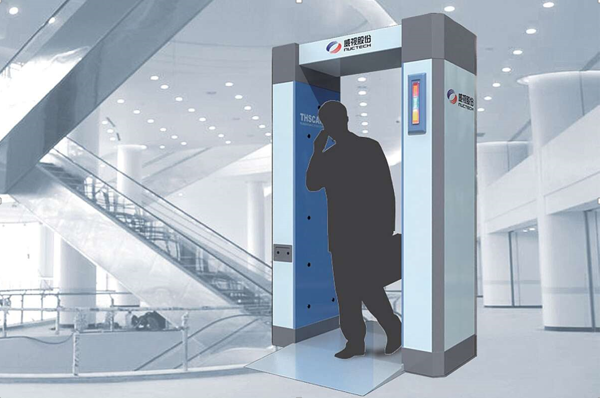
One popular type is the X-ray body scanner, which uses low-dose X-ray transmission imaging technology. These scanners can quickly and accurately identify hidden objects, from weapons to contraband. The open tunnel and walk-through design make the process seamless for individuals passing through security checkpoints.
Another innovative model is the millimeter wave human body scanner. This technology uses millimeter radio waves to create a three-dimensional image of the person being scanned. It’s non-invasive and can detect objects concealed under clothing with remarkable precision. The quick scan duration—usually just a couple of seconds—ensures that people can move through security without significant delays.
The role of radiation detectors in public safety
Radiation detectors play a crucial role in maintaining public safety by identifying potentially dangerous radioactive materials. These devices come in various forms, each designed for specific applications and environments. From handheld monitors to full-body portal systems, a rad detector is a versatile tool in the fight against illicit nuclear materials.
Vehicle radiation portal monitors are one example, designed to detect radioactive materials in vehicles passing through checkpoints. These systems are highly sensitive and can identify even small amounts of radiation, ensuring that no threat goes undetected. Similarly, radiation monitoring systems for persons provide a quick and effective way to screen individuals for radioactive contamination.
Radionuclide identification portal monitors take things a step further by not only detecting radiation but also identifying the specific radionuclides present. This capability is crucial for distinguishing between harmless materials and those that pose a genuine threat. Handheld radiation monitors offer portability and flexibility, allowing security personnel to conduct spot checks as needed.
Different types of radiation detectors
The variety of radiation detectors available reflects the diverse needs of different security scenarios. Environmental radiation monitoring systems provide comprehensive data on radiation levels in a given area, including dose rates and nuclide information. These systems are essential for monitoring critical infrastructure and ensuring environmental safety.
Some detectors, like the RM1000NH walk-through portal, are designed specifically for pedestrian monitoring. Others, like the RM2000NH double-sided monitor, cater to vehicles and cargo. There’s even a model for trains—the RM3000NH—highlighting the adaptability of these technologies to various transportation modes.
Portable models such as the RM0400NH are invaluable during emergency responses, offering quick deployment and reliable detection capabilities. Handheld radionuclide identifiers from the RM0100 series further enhance on-the-go detection and identification of gamma radiation, making them indispensable tools for security personnel.
See also: Roof Gutter Repair Newcastle: Maintenance Tips for Every Home
Real-world applications and success stories
The effectiveness of body scanners and radiation detectors is best illustrated through real-world applications and success stories. Airports are perhaps the most visible example, where these technologies have become standard practice. By detecting concealed weapons or explosives, body scanners help prevent potential threats from boarding aircraft.
At border crossings and customs checkpoints, radiation detectors have intercepted numerous attempts to smuggle radioactive materials. These successes underscore the importance of having robust detection systems in place to safeguard against nuclear smuggling and terrorism.
Nuclear power plants also rely heavily on radiation detection systems to monitor for any leaks or unauthorized access. Ensuring that these facilities remain secure is essential not only for public safety but also for environmental protection. By providing early warning of any radiation-related incidents, these detectors play a vital role in maintaining safe operations.
Conclusion
The advancements in body scanning and radiation detection technologies have significantly enhanced security measures across various sectors. From preventing threats at airports to monitoring nuclear facilities, these tools are indispensable in today’s security landscape. As technology continues to evolve, we can expect even more innovative solutions to emerge, further strengthening our ability to protect people and property.