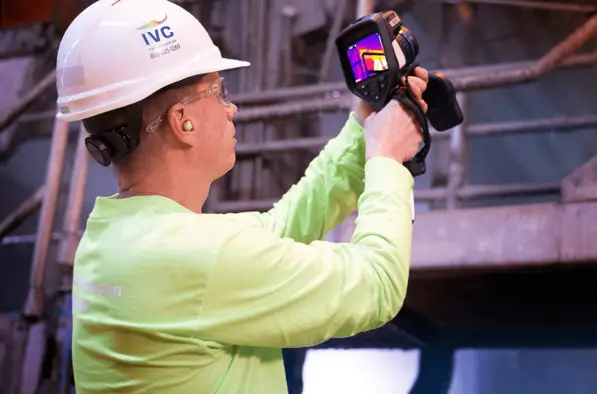
Contemporary facilities require dependable services that work continuously without any disturbance. Electrical panels, mechanical equipment, roofing, and industrial equipment have parts that degrade over time and can only be noticed when there is a major breakdown. Infrared inspection is a practical solution for determining the presence of abnormal temperature conditions without having to disassemble the machinery or halt its operation. The use of infrared cameras makes it possible for an inspector to analyze the situation effectively and minimize hazards associated with manual inspection procedures.
Thermal Imaging Reveals Hidden System Weaknesses
Thermal scanning enables the detection of temperature differentials that are difficult for conventional visual checks to spot. Temperature profiles indicate overloaded circuitry, poorly installed or damaged electrical joints, insulation defects, water leaks, and mechanical wear before the problems are evident externally. The process makes it possible for the inspector to inspect live circuits without shutting down the equipment. Management benefits from precise thermal information on vulnerable parts that need repair. By virtue of its non-destructive nature, the process is completed more quickly with little disruption to normal operations. Businesses benefit from greater awareness of asset conditions while avoiding unnecessary downtime caused by invasive testing procedures.
Early Fault Detection Prevents Expensive Failures
The most notable benefit of using thermal imaging is the ability to detect potential problems well before the equipment fails completely. The presence of heat often indicates some form of resistance or an imbalanced condition that might cause sudden failure of the system at hand. Detecting those abnormalities early helps maintenance teams correct issues during planned service intervals rather than emergency shutdowns. Many organizations recognize that investing in the best infrared thermography inspection services strengthens preventive maintenance strategies and lowers long-term repair expenses. Thermal reports also provide documented evidence that supports smarter budgeting decisions, allowing companies to prioritize repairs based on measurable risk instead of assumptions or guesswork.
Non-Invasive Reviews Improve Workplace Safety
The issue of safety still poses a significant challenge in all industrial facilities, commercial structures, medical institutions, and manufacturing industries. The use of thermal imaging in testing helps promote safety during inspection procedures since the technicians will not need to get into close proximity with the equipment being tested. This eliminates the risk of electrocution, overheated equipment, or contact with mechanical moving parts. In addition, thermal imaging enables the detection of fire hazards resulting from overloading and faulty machinery. Consequently, infrared scanning improves compliance levels and ensures that workers and contractors work in safe conditions.
See also: Technology Startups and Innovation
Energy Efficiency Becomes Easier to Measure
Infrared technology serves as an important tool in understanding energy efficiency in various building systems. Heat loss from windows, roofing, ventilation, and insulation systems is easy to detect using thermography. Building managers can locate any inefficiencies in these systems that will lead to higher bills and extra work for heating/cooling equipment. Machines that operate outside their normal temperature will use extra energy unnecessarily. Organizations can then take action against such inefficiencies and help increase efficiency by lowering waste. The ease of monitoring energy-related issues using thermal scans makes this technology particularly beneficial for businesses.
Detailed Reporting Supports Better Maintenance Planning
Infrared surveys conducted by professionals produce comprehensive visual documents that facilitate maintenance scheduling and decision-making processes. The pictures produced through thermal imaging give clear indications of the problems developing within the system, thus enabling managers to have an insight into the condition of their equipment without necessarily using technical descriptions. Severity ratings, temperatures, and remedial actions are usually contained within these documents. This enables the maintenance team to schedule repairs depending on the degree of urgency and impact on operations. Documentation of historical thermal data assists organizations in determining trends and whether the systems are getting better or worse. This data-driven approach creates stronger maintenance schedules while helping businesses avoid reactive repair cycles that disrupt productivity.
Infrared scanning has become a vital method for companies that want to conduct a thorough safety assessment without causing any trouble. Thermal imagery helps detect problems, provide preventive measures, increase worker safety, reduce energy consumption, and help with maintenance planning. Since these assessments can be done without disassembling any equipment, companies get to benefit from the information gained without causing any disruptions. With today’s industries focusing on becoming more efficient and safe, thermal imaging will prove to be useful in many ways.