Introduction
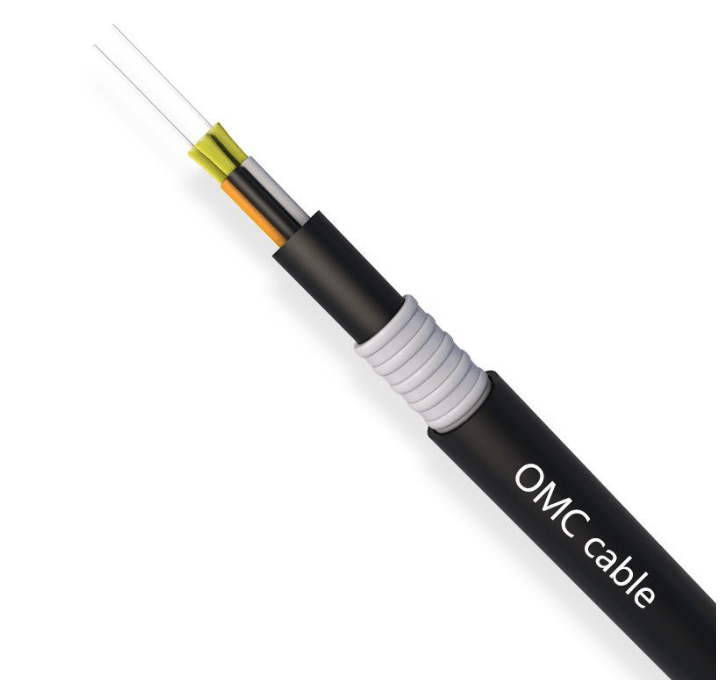
Modern telecommunications networks depend on high-speed, reliable, and low-latency data transmission to support growing mobile traffic and advanced wireless technologies. As mobile operators continue expanding 4G LTE, 5G, and future network infrastructures, the importance of robust connectivity between network components has become increasingly significant. One of the most critical elements supporting this communication architecture is the cpri cable, which enables efficient data exchange between remote radio units and baseband processing equipment.
This article explores the applications, benefits, technical characteristics, and selection considerations of CPRI cables, helping telecom professionals, network designers, and infrastructure planners understand their importance in modern communication systems.
What Is a CPRI Cable?
CPRI stands for Common Public Radio Interface, a standardized protocol used for communication between the Baseband Unit (BBU) and Remote Radio Unit (RRU) in cellular networks. The physical medium responsible for carrying these high-speed signals is commonly known as a cpri cable.
These cables are specifically designed to facilitate high-bandwidth data transmission while maintaining synchronization accuracy between critical network components. As wireless communication standards evolve, telecom operators increasingly rely on fiber-based CPRI solutions to ensure efficient and scalable network performance.
Unlike conventional communication cables, CPRI cables are engineered to meet stringent requirements regarding latency, signal loss, electromagnetic immunity, and transmission distance.
Why CPRI Cables Are Essential in Modern Telecom Networks
Telecommunication infrastructures require seamless communication between centralized processing equipment and distributed radio systems. A properly selected cpri cable ensures uninterrupted data flow, which directly impacts network quality, user experience, and operational efficiency.
Several factors contribute to the growing demand for CPRI cable solutions:
- Rapid expansion of 5G infrastructure
- Increased mobile data consumption
- Higher bandwidth requirements
- Growth of distributed antenna systems
- Need for low-latency communications
- Expansion of smart city deployments
- Enhanced network densification strategies
As operators continue deploying advanced radio technologies, reliable CPRI connectivity becomes increasingly important for maintaining consistent network performance.
Major Applications of CPRI Cable
1. 4G LTE Networks
One of the most widespread applications of a cpri cable is within 4G LTE infrastructure. The cable facilitates communication between baseband units and remote radio heads, ensuring efficient signal transmission throughout the network.
Telecom providers depend on high-performance CPRI links to maintain network stability, support mobile users, and optimize overall spectral efficiency.
2. 5G Mobile Infrastructure
The deployment of 5G networks has significantly increased the demand for advanced fiber connectivity solutions. A high-quality cpri cable supports massive data throughput requirements while maintaining low latency between distributed radio systems and centralized processing equipment.
As 5G architectures become more complex, reliable CPRI connectivity remains fundamental to network success.
3. Remote Radio Unit Connectivity
Remote radio units are often installed on towers, rooftops, and outdoor structures. These installations require durable communication links capable of withstanding environmental challenges.
A properly designed cpri cable enables dependable connectivity between RRUs and BBUs while maintaining signal quality over extended distances.
4. Distributed Antenna Systems
Large venues such as airports, stadiums, hospitals, and commercial complexes often utilize distributed antenna systems to improve wireless coverage.
Within these deployments, a cpri cable serves as a critical communication channel that supports seamless signal distribution and centralized network management.
5. Small Cell Deployments
Network densification strategies increasingly rely on small cell technologies to improve coverage and capacity in urban environments.
A robust cpri cable helps connect small cells to centralized network infrastructure, enabling efficient communication and improved service quality.
Key Features of CPRI Cable
High-Speed Data Transmission
One of the most important characteristics of a cpri cable is its ability to support extremely high data transfer rates. Modern telecom networks require fast and reliable communication channels capable of handling large volumes of information without performance degradation.
Low Signal Attenuation
Signal loss can negatively impact network efficiency and communication quality. Advanced CPRI cable designs minimize attenuation, ensuring stable transmission even across long-distance installations.
Excellent Electromagnetic Immunity
Telecommunication environments often contain significant electromagnetic interference generated by power systems, electronic equipment, and wireless devices.
Fiber-based cpri cable solutions offer exceptional resistance to electromagnetic interference, helping maintain signal integrity in challenging environments.
Long-Distance Connectivity
Many telecom deployments require communication links that extend across considerable distances. High-quality CPRI cables support long-range transmission while preserving data accuracy and synchronization performance.
High Reliability
Network downtime can result in substantial operational and financial consequences. A durable cpri cable contributes to infrastructure reliability by delivering consistent performance under demanding operating conditions.
Benefits of Using CPRI Cable
Improved Network Performance
Reliable communication between radio equipment and processing units directly influences network efficiency. A premium cpri cable helps optimize throughput, reduce transmission errors, and support consistent user experiences.
Enhanced Scalability
Telecom operators must continuously expand their infrastructure to accommodate growing subscriber demands. Flexible CPRI connectivity solutions simplify network scaling while supporting future technological upgrades.
Reduced Maintenance Requirements
High-quality cable assemblies are designed for long service life and minimal maintenance. This reduces operational costs and improves overall network availability.
Better Signal Quality
Signal integrity is essential for maintaining reliable wireless communications. A professionally engineered cpri cable helps preserve signal quality throughout the transmission path.
Support for Future Technologies
As network standards evolve, infrastructure components must remain adaptable. Modern CPRI solutions support current and emerging telecom technologies, helping operators protect long-term investments.
See also: Technology’s Role in Global Development
Fiber Optic CPRI Cable vs Traditional Copper Solutions
Although copper-based communication technologies remain useful in certain applications, fiber optic CPRI cables provide several advantages for telecom environments.
Bandwidth Capacity
Fiber-based cpri cable systems support significantly higher bandwidth compared to traditional copper alternatives, making them ideal for advanced wireless networks.
Distance Performance
Fiber solutions maintain signal quality over longer distances without requiring extensive amplification or regeneration.
Interference Resistance
Unlike copper cables, fiber optic systems are immune to electromagnetic interference, ensuring more stable communication performance.
Network Efficiency
Higher data capacity, improved reliability, and lower latency contribute to enhanced overall network efficiency.
Factors to Consider When Choosing a CPRI Cable
Selecting the right CPRI cable is crucial for achieving optimal network performance. Key considerations include:
Network Requirements
Evaluate bandwidth demands, transmission distances, and deployment environments before selecting a cable solution.
Environmental Conditions
Outdoor installations may require additional protection against moisture, temperature fluctuations, ultraviolet exposure, and physical stress.
Connector Compatibility
Ensure the selected cpri cable is compatible with existing network equipment and interface standards.
Durability Requirements
Industrial and telecom environments often require ruggedized cable assemblies capable of enduring harsh operating conditions.
Future Expansion Plans
Consider future network growth and technological upgrades when designing infrastructure projects.
Installation Best Practices
Proper installation significantly influences cable performance and service life.
Recommended practices include:
- Following manufacturer bend radius specifications
- Avoiding excessive pulling tension
- Protecting cables from physical damage
- Using appropriate cable management systems
- Conducting thorough performance testing after installation
- Maintaining clean connector interfaces
- Implementing proper labeling procedures
Adhering to these guidelines helps maximize network reliability and minimize operational disruptions.
The Future of CPRI Cable Technology
As wireless networks continue evolving, CPRI connectivity solutions will remain an integral part of telecom infrastructure. The expansion of 5G networks, edge computing environments, private wireless systems, and smart city applications will further increase demand for high-performance communication links.
Future developments may include:
- Higher transmission capacities
- Improved cable durability
- Enhanced connector technologies
- Greater deployment flexibility
- Support for next-generation radio architectures
Organizations investing in advanced telecom infrastructure will continue relying on innovative cpri cable solutions to support expanding network requirements.
Conclusion
The cpri cable plays a fundamental role in modern telecommunications by enabling high-speed, low-latency communication between critical network components. Its applications span 4G LTE systems, 5G deployments, distributed antenna networks, remote radio installations, and emerging wireless technologies.
With benefits including superior bandwidth capacity, low signal attenuation, electromagnetic immunity, long-distance performance, and exceptional reliability, CPRI cables have become indispensable for telecom operators worldwide. As network demands continue to grow, selecting the right CPRI cable solution remains essential for building scalable, efficient, and future-ready communication infrastructures.
Frequently Asked Questions (FAQs)
What is a CPRI cable used for?
A CPRI cable is primarily used to connect Baseband Units (BBUs) and Remote Radio Units (RRUs) in telecommunications networks, enabling high-speed data transmission and synchronization.
Why is CPRI cable important in 5G networks?
5G networks require extremely high bandwidth and low latency. A CPRI cable provides reliable communication links that support these demanding performance requirements.
Are CPRI cables typically fiber optic?
Yes, most modern CPRI cable deployments utilize fiber optic technology due to its superior bandwidth, long-distance capability, and resistance to electromagnetic interference.
What are the main advantages of using CPRI cable?
Key advantages include high-speed transmission, low signal loss, excellent reliability, long-distance performance, and support for advanced telecom infrastructure.
How do I choose the right CPRI cable?
Consider factors such as transmission distance, environmental conditions, bandwidth requirements, connector compatibility, durability needs, and future network expansion plans.
Can CPRI cables be used outdoors?
Yes. Many CPRI cable assemblies are specifically designed for outdoor telecom environments and offer protection against weather, temperature variations, and physical stress.