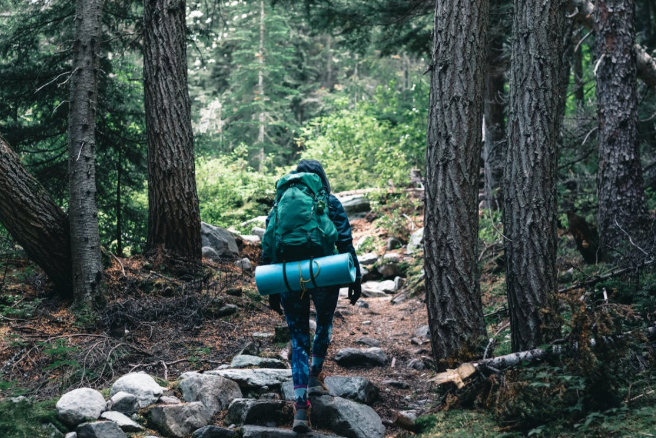
Hiking is much more pleasurable when your gear is designed for mobility. The appropriate equipment will reduce stress, improve your safety and focus on the environment around you rather than stressing about how you’re feeling. While some hikers think physical stamina is what’s most important, those who have gone hiking many times understand that selecting the right gear plays an essential role in ensuring your trip is as easy as possible. These five categories of equipment have proven their worth in making travel outdoors much easier.
Supportive Footwear for Stable Movement
Shoes influence your every step on challenging terrain. A good pair of hiking boots offers grip, ankle support, and shock resistance through rough terrain and slippery trails. A good outsole ensures proper traction on a wet trail surface, while toe protection safeguards your feet from any unexpected impact.
Proper ventilation is another crucial aspect of hiking boots, particularly when climbing during hot days when the temperature rises quickly in enclosed shoes. This makes the shoes moisture-proof to minimize the risk of blisters and other foot conditions that might make your climb uncomfortable. Properly fitting footwear also ensures your feet move freely without friction.
See also: Technology Startups and Innovation
Backpack Systems That Balance Load Efficiently
The correct design of a backpack alters how weight relates to your body when carrying it around. Modern hiking backpacks place load-bearing capacity onto the hips rather than relying only on shoulder straps. It prevents fatigue and enables extended walking distances without experiencing discomfort.
Adjustable straps allow for proper adjustment that makes sure that the pack is located near the center of gravity. An internal frame provides some stability and prevents shifting when going through rough terrain. Ventilated material on the back of a backpack helps minimize heat buildup while climbing up. Organization within storage space is an important factor in reducing unnecessary effort.
Tools and Gadgets for Navigation and Efficiency
Modern-day hiking can be made very convenient due to handy equipment that makes decision-making easier and more secure. This equipment includes GPS navigation systems, compasses, as well as maps on your smartphone that are not connected to the Internet. All this helps keep orientation when the path is not clear and avoids being delayed because of any hesitation.
When choosing practical gear, it often helps to invest in versatile pocket knives that combine cutting ability, screw tools, and small repair functions within one compact frame. These additions reduce the need for multiple separate items while still covering essential field tasks, from preparing food to handling minor equipment adjustments.
Layered Clothing for Adaptive Comfort
The weather can change quickly outside, so it is necessary for hikers to wear versatile clothing. Layers enable hikers to control their body temperature by wearing lighter garments for activities that do not require excessive warmth. This will eliminate the need to wear one heavy garment designed for a specific purpose.
A moisture management system prevents moisture from getting close to the hiker’s skin to ensure he does not get a chill during breaks. An insulating middle layer helps retain heat when climbing up the mountain or hiking at sunrise. Outerwear protects hikers from weather changes and allows air circulation. Quick-drying fabrics ensure hikers will not feel uncomfortable on a rainy day or when crossing rivers.
Trekking Poles and Hydration Essentials for Endurance
Trekking poles increase stability on steep ascents and descents on rough ground. Trekking poles provide stability because they distribute your weight evenly over your body. This benefit is particularly useful for people who go on long treks where the cumulative effect of constant pounding may result in tiredness.
Trekking poles that come in adjustable models are beneficial to use depending on the terrain. Adjusting them to shorter lengths eases your climbing, while adjusting them to longer lengths ensures your balance during descents. Additionally, folding trekking poles can be easily carried once the trekking has been completed.
Efficiency while hiking has less to do with physical strength and more to do with being prepared. There are a number of gear categories, such as footwear, backpacks, navigation equipment, clothing, and mobility, that help one in this process in their own ways. These components combined together make the hike easy and enjoyable for you.