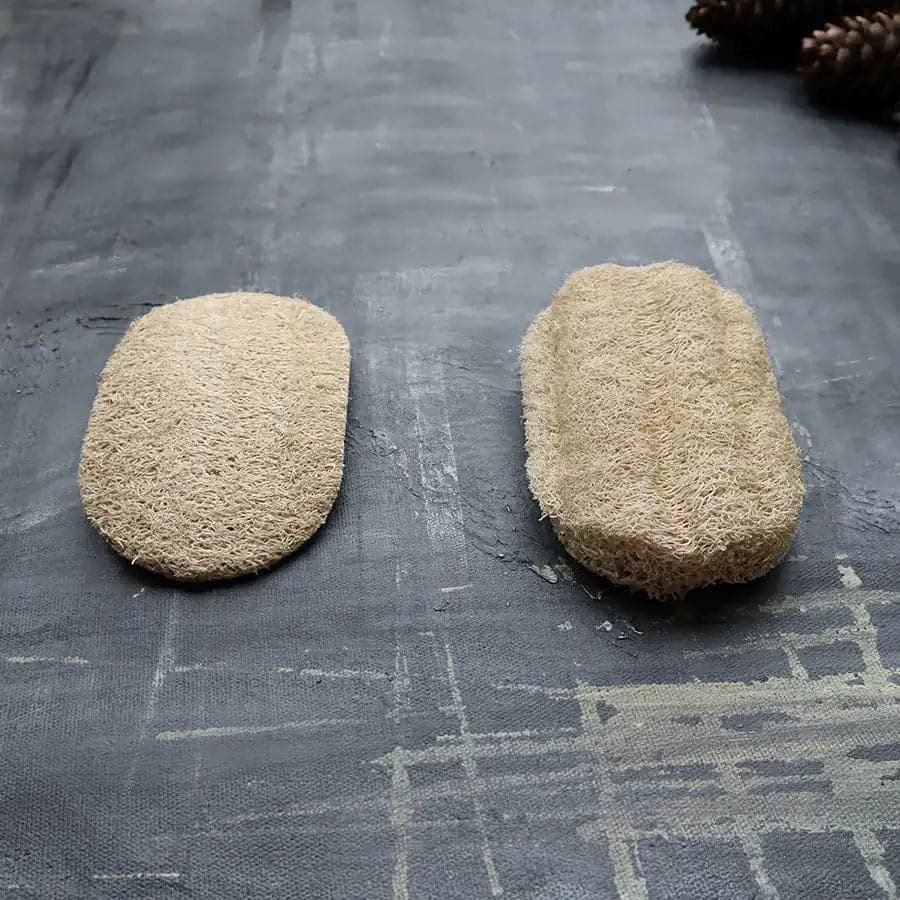
Introduction to Eco Friendly Kitchen Sponges
Kitchen cleaning is an essential part of maintaining hygiene and organization in any home. However, traditional cleaning tools often contribute to environmental waste due to their synthetic materials and short lifespan. Eco friendly kitchen sponges offer a practical and responsible alternative that supports both cleanliness and sustainability.
These sponges are designed using natural, biodegradable, and renewable materials. They aim to reduce the environmental impact while still delivering effective cleaning performance.
As awareness around sustainability grows, more people are turning toward greener options for everyday tasks, including dishwashing and surface cleaning.
For those looking to switch to better alternatives, exploring options like eco friendly kitchen sponges can be a valuable first step toward a more sustainable kitchen routine.
What Makes a Kitchen Sponge Eco Friendly
Natural and Biodegradable Materials
Eco friendly sponges are typically made from plant based materials such as cellulose, loofah, coconut fibers, or bamboo. These materials decompose naturally after disposal, reducing landfill waste and environmental harm. Unlike synthetic sponges, they do not release harmful microplastics into water systems.
Non Toxic Manufacturing
Sustainable sponges are produced without the use of harsh chemicals, dyes, or synthetic additives. This ensures they are safe for both human use and the environment. The absence of toxic substances also makes them suitable for cleaning dishes, utensils, and surfaces that come into contact with food.
Sustainable Sourcing
The materials used in eco friendly sponges are often sourced responsibly. Renewable resources are preferred, and production methods aim to minimize environmental impact. This supports a cycle of sustainability that begins at the source and continues through disposal.
Benefits of Using Eco Friendly Kitchen Sponges
Reduced Environmental Impact
One of the most significant advantages of eco friendly sponges is their ability to reduce waste. Since they are biodegradable, they break down naturally instead of accumulating in landfills. This helps lower the overall environmental footprint of household cleaning products.
Safer for Health
Traditional sponges can contain chemicals and synthetic fibers that may not be ideal for prolonged use. Eco friendly options eliminate these concerns by using natural materials. This makes them a safer choice for households focused on reducing exposure to potentially harmful substances.
Effective Cleaning Performance
Despite being environmentally conscious, eco friendly sponges are highly effective at cleaning. Their natural fibers provide excellent scrubbing power, making them suitable for removing grease, food residue, and stains. They are versatile and can be used on a variety of surfaces without causing damage.
Durable and Long Lasting
Many eco friendly sponges are designed to be durable, offering longer usability compared to conventional options. With proper care, they maintain their structure and cleaning efficiency over time, reducing the need for frequent replacements.
Types of Eco Friendly Kitchen Sponges
Cellulose Sponges
Cellulose sponges are made from wood pulp and are fully biodegradable. They are soft, absorbent, and ideal for general cleaning tasks. Their ability to hold water makes them effective for wiping surfaces and washing dishes.
Loofah Sponges
Loofah sponges are derived from dried plant fibers. They provide a slightly rough texture, making them suitable for scrubbing tougher residues. They are completely natural and compostable.
Coconut Fiber Sponges
Coconut fiber sponges, also known as coir sponges, are made from coconut husks. They offer excellent scrubbing power and are resistant to wear. These sponges are particularly useful for tackling stubborn grease and grime.
Bamboo Based Sponges
Bamboo based sponges combine bamboo fibers with other natural materials. Bamboo is a fast growing and renewable resource, making it an environmentally responsible choice. These sponges are durable and have natural antibacterial properties.
How to Use Eco Friendly Kitchen Sponges Effectively
Proper Cleaning Techniques
Using eco friendly sponges effectively involves applying the right amount of pressure and cleaning solution. Gentle scrubbing is often sufficient for most tasks, while tougher stains may require a firmer approach.
Regular Rinsing and Drying
To maintain hygiene, it is important to rinse the sponge thoroughly after each use. Allowing it to dry completely helps prevent bacterial growth and extends its lifespan.
Avoiding Overuse
Even though eco friendly sponges are durable, they should be replaced when they show signs of wear. Using a worn out sponge can reduce cleaning efficiency and hygiene.
Maintenance and Care Tips
Sanitizing Naturally
Eco friendly sponges can be sanitized using natural methods such as soaking in hot water or vinegar solutions. This helps eliminate bacteria without introducing harmful chemicals.
Proper Storage
Storing sponges in a dry and ventilated area ensures they remain fresh and usable. Avoid leaving them in damp environments for extended periods.
Composting After Use
Once the sponge reaches the end of its lifecycle, it can be composted. This ensures it returns to the environment without causing pollution.
Why Choose Sustainable Brands
Choosing products from environmentally responsible brands ensures that sustainability is maintained throughout the production process. Brands that prioritize eco friendly practices often use ethical sourcing, minimal packaging, and environmentally safe manufacturing techniques.
A platform like Plantish Future focuses on offering sustainable kitchen solutions that align with eco conscious values. Supporting such brands contributes to a broader effort toward reducing environmental impact.
Comparing Eco Friendly Sponges with Traditional Sponges
Material Differences
Traditional sponges are typically made from plastic based materials that do not decompose easily. In contrast, eco friendly sponges use natural fibers that break down over time.
Environmental Impact
Synthetic sponges contribute to long term pollution, while eco friendly alternatives reduce waste and support sustainability. The difference in environmental impact is significant when considering long term usage.
Performance and Usability
Both types of sponges can perform cleaning tasks effectively. However, eco friendly sponges offer the added advantage of being safer and more sustainable without compromising performance.
Role of Eco Friendly Sponges in Sustainable Living
Reducing Plastic Waste
Switching to eco friendly sponges is a small yet impactful step toward reducing plastic waste. It aligns with a broader goal of minimizing single use plastics in daily life.
Supporting Eco Conscious Habits
Using sustainable cleaning tools encourages other environmentally friendly habits. It promotes awareness and responsibility in everyday choices.
Contributing to a Greener Future
Every sustainable choice contributes to a larger environmental impact. Eco friendly sponges are a simple way to support a cleaner and healthier planet.
Choosing the Right Eco Friendly Sponge
Consider Material and Texture
Different materials offer different levels of scrubbing power. Selecting the right texture ensures effective cleaning for specific tasks.
Evaluate Durability
A durable sponge reduces the need for frequent replacements. This enhances both convenience and sustainability.
Check Compostability
Ensuring the sponge is fully compostable allows for proper disposal without environmental harm.
For a variety of sustainable options, including dishwasher sponges, it is important to choose products that align with eco friendly values and performance needs.
Conclusion
Eco friendly kitchen sponges represent a meaningful shift toward sustainable living. They combine effective cleaning performance with environmentally responsible design, making them an ideal choice for modern households. By using natural materials, reducing waste, and supporting eco conscious practices, these sponges offer a practical solution to everyday cleaning challenges.
Adopting eco friendly alternatives not only improves kitchen hygiene but also contributes to a healthier environment. With the availability of various types and materials, it is easier than ever to find options that suit different cleaning needs. Making the switch to eco friendly kitchen sponges is a simple yet impactful step toward a more sustainable future.