In today’s fast-paced manufacturing environment, packaging accuracy, speed, and compliance have become critical success factors. Among all packaging processes, labeling plays a decisive role in product identification, branding, traceability, and regulatory approval. This is where a round bottle labeling machine becomes an essential component in modern production lines.
From food and beverage industries to pharmaceuticals, cosmetics, chemicals, and household products, automated labeling systems are transforming how manufacturers operate. This article provides a deep, structured, and SEO-optimized overview of bottle labeling systems, their technologies, benefits, applications, and selection criteria to help modern plants achieve maximum efficiency and competitiveness.
Understanding Bottle Labeling Machine Systems in Modern Manufacturing
A bottle labeling machine is an automated or semi-automated system designed to apply labels precisely onto bottles of different shapes, sizes, and materials. These machines ensure consistent labeling placement, high-speed production, and minimal human intervention.
Modern manufacturing plants rely on labeling systems not just for branding, but also for:
- Product traceability
- Barcode and QR code printing
- Compliance with industry regulations
- Inventory management
- Anti-counterfeit measures
In high-volume production environments, manual labeling is no longer practical due to inconsistency, labor cost, and production delays. Automated systems solve these challenges efficiently.
Types of Bottle Labeling Machine Systems
Different industries require different labeling technologies. Below are the most widely used systems in modern plants:
1. Automatic Bottle Labeling Machine Systems
Automatic systems are fully integrated into production lines and require minimal human intervention. These machines detect bottles using sensors and apply labels with precision.
Key features include:
- High-speed operation
- PLC control systems
- Servo motor accuracy
- Integration with conveyor systems
They are ideal for large-scale industries like beverage manufacturing and pharmaceuticals.
2. Semi-Automatic Labeling Machines
Semi-automatic systems require manual bottle placement but automate the labeling process. They are suitable for small to medium production units.
Advantages:
- Lower investment cost
- Easy operation
- Flexible for multiple bottle types
3. Self-Adhesive Labeling Systems
These machines use pressure-sensitive labels that stick instantly to bottle surfaces. They are widely used due to their efficiency and clean application.
Benefits include:
- No glue or drying time required
- High-speed application
- Clean and professional finish
4. Sleeve Labeling Machines
Sleeve labeling machines apply shrink sleeves around bottles, which are then heat-shrunk for tight fitting.
Common applications:
- Beverage bottles
- Cosmetic containers
- Chemical packaging
5. Front and Back Labeling Machines
These systems apply labels on both sides of a bottle simultaneously, ensuring branding consistency and regulatory compliance.
See also: Technology Startups and Innovation
Key Components of a Bottle Labeling Machine
A modern labeling system is composed of several advanced components working together:
- Label dispensing unit – releases labels with controlled precision
- Conveyor system – moves bottles smoothly through the labeling line
- Sensor system – detects bottle position and triggers label application
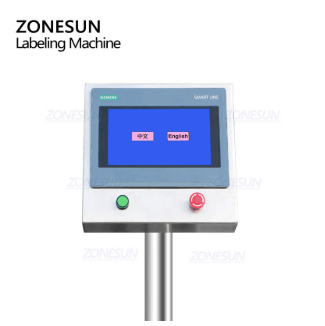
- Control panel (PLC/HMI) – manages machine operations
- Application rollers – ensures smooth and bubble-free labeling
Each component plays a vital role in maintaining accuracy and production efficiency.
Industrial Applications of Bottle Labeling Systems
A bottle labeling machine is used across multiple industries, including:
1. Food and Beverage Industry
Used for labeling water bottles, juices, sauces, and dairy products. Speed and hygiene are critical in this sector.
2. Pharmaceutical Industry
Ensures accurate labeling of medicine bottles with dosage information, batch numbers, and expiry dates.
3. Cosmetics Industry
Used for branding perfumes, lotions, shampoos, and skincare products with premium-quality labels.
4. Chemical Industry
Labels industrial chemicals, cleaning agents, and hazardous materials with safety compliance information.
5. Oil and Lubricants Industry
Applies durable labels resistant to oil exposure and harsh environments.
Benefits of Using Bottle Labeling Machine Systems
Modern manufacturing plants prefer automation due to its measurable advantages:
1. Increased Production Speed
Automated systems can label hundreds or thousands of bottles per hour, significantly increasing output.
2. Improved Accuracy
Eliminates human error in label placement, ensuring uniformity across all products.
3. Cost Efficiency
Reduces labor costs and minimizes material waste due to precise application.
4. Enhanced Branding
Clean and professional labeling improves product presentation and market appeal.
5. Regulatory Compliance
Ensures accurate display of mandatory product information, reducing legal risks.
6. Scalability
Manufacturers can easily upgrade systems to match growing production demands.
Technology Behind Modern Bottle Labeling Machines
The evolution of labeling systems is driven by advanced technologies:
PLC Automation
Programmable Logic Controllers manage machine operations, ensuring synchronization between conveyor, sensors, and labeling units.
Servo Motor Control
Provides high precision and speed control for label placement.
Optical Sensors
Detect bottle position and ensure accurate label triggering.
Smart HMI Interfaces
Allow operators to monitor and adjust settings in real time.
IoT Integration
Modern systems can be connected to factory networks for performance monitoring and predictive maintenance.
Choosing the Right Bottle Labeling Machine for Your Plant
Selecting the right system depends on several factors:
Production Capacity
High-output factories require fully automatic systems, while small businesses may benefit from semi-automatic models.
Bottle Type and Shape
Cylindrical, square, or irregular bottles require specialized labeling mechanisms.
Label Type
Paper, plastic, shrink sleeve, or transparent labels influence machine selection.
Budget and ROI
Investment should balance cost with long-term productivity gains.
Maintenance Requirements
Machines with modular designs are easier to maintain and upgrade.
Common Challenges in Labeling Operations
Even with advanced systems, manufacturers may face issues such as:
- Misalignment of labels
- Air bubbles under labels
- Machine downtime due to maintenance
- Incorrect sensor calibration
- Incompatibility with bottle variations
These challenges can be minimized by proper machine setup, operator training, and preventive maintenance.
Future Trends in Bottle Labeling Machine Systems
The future of labeling technology is moving toward smarter, faster, and more connected systems:
AI-Based Quality Control
Artificial intelligence will detect label defects in real time.
Fully Smart Factories
Integration with Industry 4.0 systems for end-to-end automation.
Eco-Friendly Labeling
Use of biodegradable labels and reduced material waste.
High-Speed Customization
Machines will allow instant label switching for multiple product lines.
Remote Monitoring
Operators will control and monitor machines from remote locations.
Why Modern Plants Prefer Advanced Bottle Labeling Systems
Manufacturers are increasingly shifting toward automation because it provides:
- Consistent product quality
- Faster time-to-market
- Reduced operational risks
- Better customer satisfaction
- Stronger competitive advantage
A high-performance labeling system is no longer optional; it is a necessity in global manufacturing.
Maintenance Tips for Bottle Labeling Machines
Proper maintenance ensures long machine life and consistent performance:
- Clean labeling rollers regularly
- Calibrate sensors periodically
- Lubricate moving parts
- Inspect conveyor belts for wear
- Update control software when needed
Preventive maintenance reduces downtime and increases productivity.
Conclusion
A round bottle labeling machine is a critical investment for modern manufacturing plants aiming to improve efficiency, accuracy, and product presentation. Whether used in food production, pharmaceuticals, cosmetics, or chemicals, labeling automation ensures consistent quality and scalable operations.
As industries continue to evolve toward smart manufacturing, adopting advanced labeling systems is essential for staying competitive in a global marketplace. Businesses that invest in modern labeling technology today will lead the future of efficient and intelligent production.
FAQs
1. What is a bottle labeling machine used for?
It is used to apply labels on bottles automatically or semi-automatically in industries like food, pharma, and cosmetics.
2. How does a bottle labeling machine work?
It uses sensors, conveyors, and application units to detect bottles and apply labels accurately.
3. What industries use labeling machines the most?
Food & beverage, pharmaceuticals, cosmetics, chemicals, and oil industries are the primary users.
4. What are the advantages of automatic labeling machines?
They offer high speed, accuracy, reduced labor cost, and consistent labeling quality.
5. Can labeling machines handle different bottle shapes?
Yes, modern machines can be adjusted for round, square, oval, and custom-shaped bottles.
6. What maintenance is required for labeling machines?
Regular cleaning, calibration, lubrication, and inspection are required for optimal performance.