Not all those who wander are lost. Books are a uniquely portable magic. It is nothing to die. It is frightful not to live.
Technology is the defining force of the modern era. It is the invisible engine that drives our daily activities. Just a few decades ago, computers were massive machines that filled entire rooms. Today, they fit comfortably in the palm of a hand. This rapid evolution is not slowing down. It is speeding up every single day. We are standing on the edge of a new digital frontier. The inventions of tomorrow will likely make the gadgets of today look like ancient relics. To thrive in this fast paced environment, we must stay curious and open to new ideas. We must understand how these digital tools shape our daily routines and our long term future.
The Power of the Smartphone
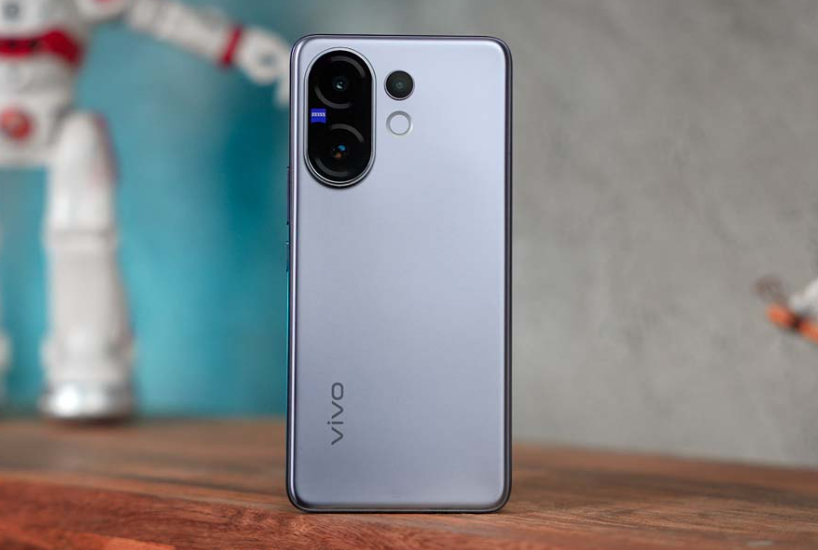
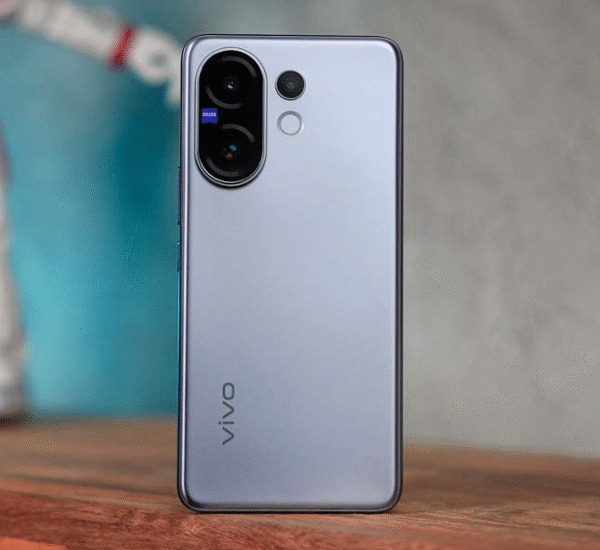
The most impactful invention of the twenty first century is undoubtedly the smartphone. This single piece of glass and metal has replaced cameras, maps, calendars, and music players. It is our primary connection to the global internet. With a few taps, we can video chat with a friend on another continent or order a meal to our front door.
This constant connectivity has reshaped society entirely. It allows for instant communication and the rapid spread of information. However, it also demands our constant attention. We must learn to manage our screen time so that we control our devices, rather than letting our devices control our lives. Finding a balance between the digital world and the physical world is a crucial skill for the modern citizen.
The Smart Home Revolution
The internet is no longer confined to computers and phones. It is now woven into the fabric of our homes. This is known as the Internet of Things. Everyday objects are becoming smart. A modern refrigerator can track its contents and remind you to buy milk. A smart thermostat learns your daily schedule and adjusts the temperature to save energy while you are away.
Voice activated assistants allow you to control the lighting, lock the doors, and play music without lifting a finger. These connected devices make our homes more comfortable and efficient. They represent a future where our environment anticipates our needs and responds automatically to our preferences. This level of automation frees up human time for more creative and meaningful pursuits.
Virtual and Augmented Realities
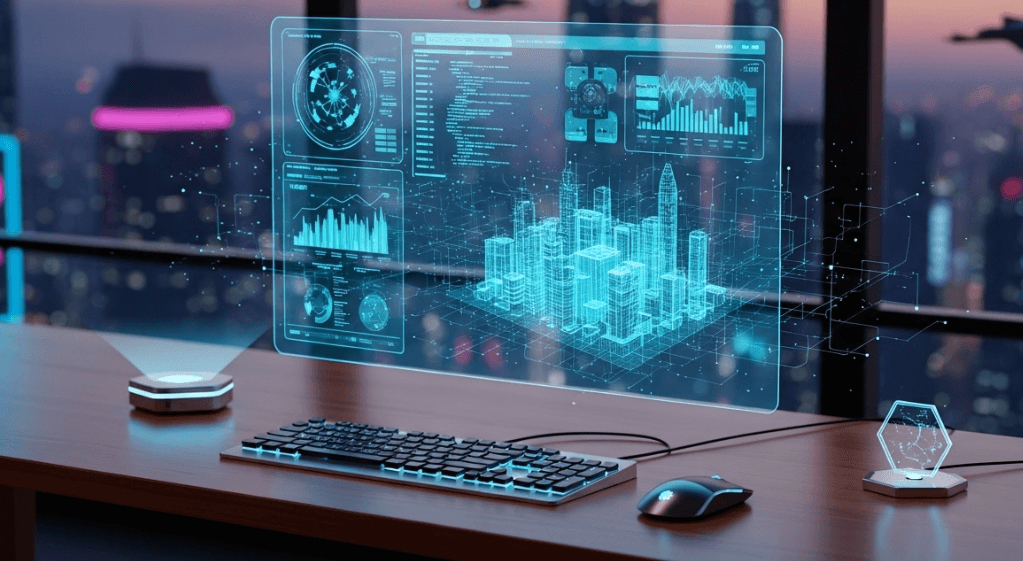
The way we interact with digital content is also changing rapidly. For a long time, we stared at flat screens. Now, Virtual Reality and Augmented Reality are breaking down that barrier. Virtual Reality places the user inside a completely computer generated world. It is revolutionizing the gaming industry, but its applications go much further. Medical students can practice complex surgeries in a safe virtual environment. Architects can walk through a building before the first brick is laid.
Augmented Reality, on the other hand, overlays digital information onto the real world. Imagine looking at a historical monument and seeing facts about its construction floating in the air before your eyes. These technologies will transform education, design, and entertainment forever. They turn passive viewing into active, immersive experiences.
The Evolution of Transportation
The way we move from place to place is undergoing a massive transformation. The automotive industry is shifting rapidly away from fossil fuels and towards electric power. Electric vehicles are becoming more affordable and capable of traveling longer distances on a single charge. This shift is vital for reducing pollution and combating climate change in our growing cities.
Furthermore, the dream of the self driving car is slowly becoming a reality. Artificial intelligence systems are being trained to navigate complex city streets and busy highways safely. In the near future, commuting could become a time to relax or work, rather than a stressful chore. Above our heads, drones are being tested for rapid package delivery, promising to change the logistics industry completely.
The Importance of Digital Security
As our lives become more digital, the need for robust security becomes paramount. We store our most sensitive information online, from our bank accounts to our private messages. Cybercriminals are constantly developing new methods to access this data. Protecting ourselves requires constant vigilance.
The traditional password is no longer enough. We are moving towards biometric security, using our fingerprints or facial recognition to unlock our devices and authorize payments. Companies are investing heavily in advanced encryption to keep consumer data safe. As individuals, we must be careful about what we share online and stay informed about the latest digital threats. A secure digital identity is essential for navigating the modern web with confidence and peace of mind.
Technology in Healthcare
The intersection of technology and medicine is producing miracles on a daily basis. We are transitioning from a reactive healthcare system to a proactive one. Wearable technology, such as smartwatches and fitness trackers, allows individuals to monitor their vital signs continuously. They can track heart rhythms, sleep cycles, and physical activity levels. This constant stream of data helps detect potential health issues before they become severe.
Furthermore, robotic surgery allows doctors to perform incredibly delicate procedures with a level of precision that human hands simply cannot match. Telemedicine brings expert medical advice to patients in isolated areas, eliminating the need for long and difficult travel. These digital health tools are extending lifespans and making high quality care accessible to a much broader population.
Conclusion
The pace of technological change can sometimes feel overwhelming. It disrupts traditional industries and forces us to adapt constantly to new ways of living. Yet, it also offers unprecedented opportunities to solve global challenges and improve the human condition. Technology is a neutral tool; its impact depends entirely on how we choose to use it. By embracing innovation, prioritizing ethical design, and ensuring equal access, we can harness the power of the digital revolution to build a brighter, more connected future. The possibilities are truly limitless, bounded only by human imagination and our willingness to explore the unknown.