A strong and dependable roof is one of the most important parts of any building. It keeps the building safe from bad weather, keeps the inside comfortable, and keeps the building’s structure strong. However, not all roofs are built to last. The difference between a short-lived system and a long-lasting one comes down to a combination of smart planning, quality materials, and skilled installation. Understanding these factors can help property owners make better decisions when investing in a roof that stands the test of time.
Quality Materials Make the Foundation Strong
The durability of a roof begins with the materials used. High-grade roofing materials are designed to resist wear, temperature changes, and environmental stress. Whether it is metal panels, asphalt shingles, or tile systems, each material has its own strengths. It is very important to pick materials that are right for the climate and the layout of the building.
Inferior materials may seem cost-effective initially, but they often lead to frequent repairs and early replacement. On the other hand, premium materials provide long-term value by reducing maintenance needs and improving overall performance.
Proper Installation Determines Longevity
If they are not put together right, even the best things can fail. Proper installation ensures that every component of the roof works together seamlessly. This includes correct alignment, secure fastening, and careful sealing of joints and edges.
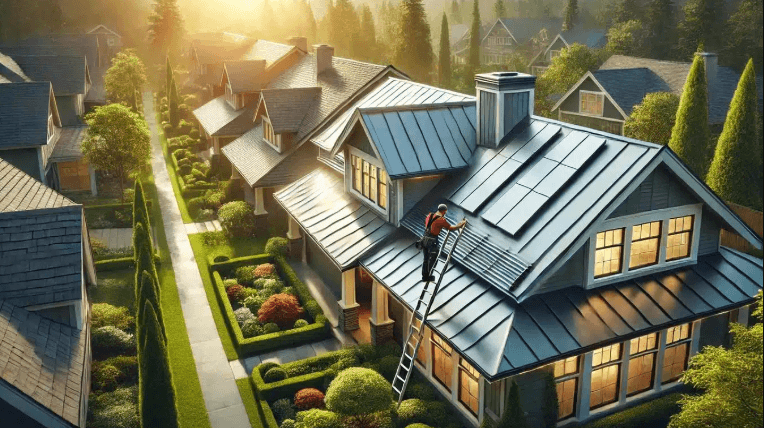
For a solid roofing system, it’s important to work with professionals who have done it before. Skilled teams understand the technical aspects of installation and follow industry standards to avoid common issues such as leaks, poor ventilation, or structural weakness. This is why hiring a trusted Lubbock roofing contractor becomes an important step for homeowners looking to ensure quality workmanship and long-lasting results.
Effective Ventilation and Insulation
Ventilation and insulation play a major role in extending the life of a roof. Heat and wetness can build up in the attic if there isn’t enough airflow. This can cause damage over time. This can cause materials to deteriorate faster and may even impact indoor air quality.
A well-ventilated roofing system allows hot air to escape and prevents condensation. Combined with proper insulation, it helps regulate indoor temperatures and reduces energy consumption. These factors not only improve comfort but also protect the roof from premature aging.
Regular Maintenance Prevents Major Issues
Routine maintenance is essential for keeping a roof in top condition. Small issues such as loose shingles, minor leaks, or debris buildup can quickly turn into larger problems if left unaddressed. Regular inspections help identify these concerns early and allow for timely repairs.
Cleaning gutters, checking flashing, and ensuring drainage systems are functioning properly are simple steps that can make a significant difference. Consistent upkeep extends the lifespan of the roof and maintains its performance over the years.
Se also: Roof Gutter Repair Newcastle: Maintenance Tips for Every Home
Weather Resistance and Design Considerations
A reliable roof is designed to handle the specific weather conditions it will face. From heavy rain and strong winds to intense sunlight, each environment presents unique challenges. Roof design should account for these factors through proper slope, drainage, and material selection.
Modern roofing systems often include advanced features such as impact-resistant materials and protective coatings. These enhancements improve durability and help the roof withstand extreme conditions without compromising its structure.
Professional Inspections and Upgrades
Over time, even well-built roofs may require upgrades or improvements. Professional inspections can tell you a lot about the system’s health and point out places that might need work. These assessments help property owners plan for future maintenance or replacements.
Upgrading certain components, such as underlayment or flashing, can significantly enhance the performance of an existing roof. Staying proactive ensures that the system continues to deliver reliable protection for years to come.
Conclusion
Building a long-lasting roof is not about a single decision but a combination of several important factors. All the steps, from picking high-quality materials to making sure the system is installed and maintained correctly, add up to make it last longer. By focusing on these key elements, property owners can create roofing solutions that provide lasting protection, improved efficiency, and peace of mind.