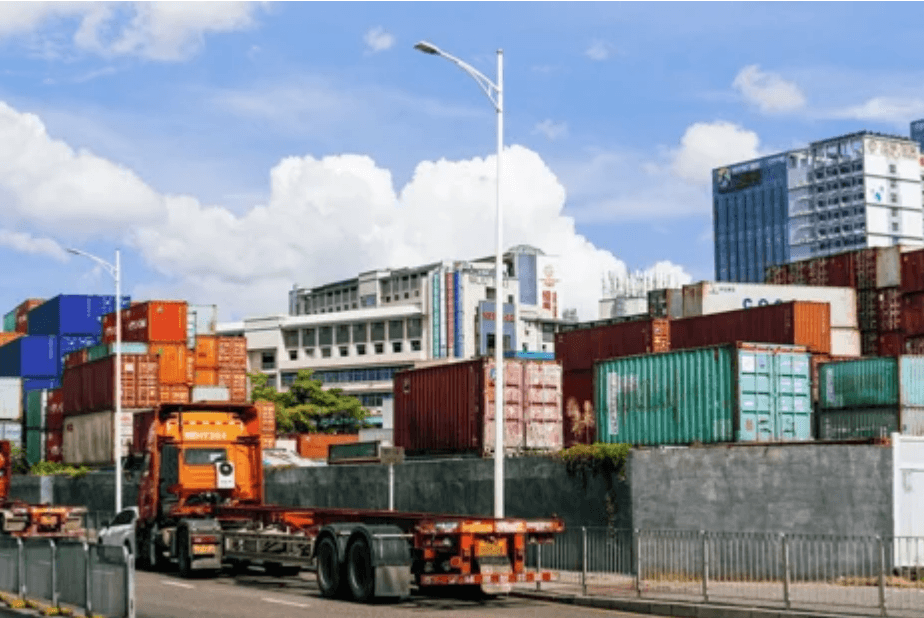
Running a business that depends on trucks showing up on time is stressful enough without wondering if the quote you just got is even real. Every shipper in Kansas has a story about a broker who promised the world and then went quiet the second a truck fell through. That’s usually the moment people start searching for a wichita freight company that actually answers the phone and tracks a load the way they said they would.
Freight brokerage sounds simple from the outside. Match a shipper with a carrier, watch the load move, collect a fee. In practice it works more like running a small dispatch center, except the variables are driver shortages, fuel swings, and dock delays nobody warned you about ahead of time.
What a Local Freight Broker Actually Does
A good broker isn’t just someone who forwards your load to whichever carrier answers first. They’re vetting insurance, checking safety scores, confirming equipment availability, and making sure the driver actually shows up when they say they will.
That vetting process is where most of the value sits. Anyone can post a load on a board. Fewer companies actually check who’s picking it up before it’s too late to fix a bad match.
King of Freight built its process around that gap. The team screens carriers before they’re ever offered a shipment, so the business owner on the other end isn’t the one finding out mid-transit that something’s wrong with the paperwork or the truck itself.
See also: SEO Optimization 18002378990 Business Strategy
Why Local Matters More Than People Think
There’s a reason so many Wichita businesses stick with a freight partner based in the same state. When something goes sideways, whether that’s a weather delay on I-35 or a warehouse that’s suddenly closed early, you want someone who understands the regional lanes and isn’t reading your shipment off a screen with zero context.
King of Freight Wichita has built its reputation on exactly that kind of familiarity. The company knows the local docks, the seasonal freight patterns, and which carriers actually perform well on Midwest routes versus which ones just look good on paper.
That local knowledge doesn’t replace a national network. It sits on top of one. King of Freight works with carriers across the country, but the people answering your calls are the same ones who understand what a Wichita shipping schedule actually looks like during harvest season or a winter storm.
Full Truckload Versus Less Than Truckload, and Why It Matters
Most businesses default to whichever shipping method they used last time, without really thinking about whether it fits the current load. That’s usually a mistake that costs money.
Full truckload, or FTL, makes sense when a shipment fills most of a trailer or needs to move fast without stops. Less than truckload, or LTL, is the better call for smaller shipments where sharing trailer space with other freight keeps costs down.
The company’s growth over the years reflects how much this decision affects a shipper’s bottom line. Founder Michael Ricklefs built the brokerage around the idea that shippers shouldn’t have to figure out FTL versus LTL on their own. A broker who actually knows freight should be steering that conversation, not just quoting whatever the shipper originally asked for.
That’s a small thing on paper, but it adds up. A company shipping the wrong way for a year can lose more money than they’d ever save by skipping a broker relationship in the first place.
Trailer Types and Special Freight
Not every load fits in a standard dry van. Flatbeds handle oversized or irregular freight. Step decks work for taller equipment that won’t clear a normal trailer height. Reefers keep temperature-sensitive freight from spoiling somewhere in Oklahoma.
Businesses shipping specialty items, whether that’s machinery, agricultural equipment, or anything with awkward dimensions, need a broker who already has relationships with carriers who run that specific equipment. Scrambling to find a flatbed carrier the same week a load needs to move is not a good position to be in.
This is where a full-service brokerage earns its keep. Instead of a shipper hunting down niche carriers themselves, a broker with an established network can usually have options within hours, not days.
What Businesses Should Actually Look For
A lot of freight companies say the same things. Reliable service, competitive pricing, dedicated support. Those phrases don’t mean much without something behind them.
Here’s what’s actually worth checking before signing with a broker:
- How often do they update you during transit, and in what format
- Do they track carrier performance, or just take whoever’s cheapest
- Can you reach an actual person instead of a rotating call queue
- Do they specialize in your freight type, or are they generalists stretched thin
Businesses that skip this checklist tend to find out the hard way, usually during a shipment that actually matters, like a time-sensitive delivery or a customer order that can’t slip.
The Cost of Getting It Wrong
A missed delivery window doesn’t just cost the shipment itself. It costs the relationship with whoever was waiting on the other end. For manufacturers and retailers running tight schedules, one bad freight experience can ripple through an entire supply chain for weeks.
That’s part of why so many businesses eventually consolidate their shipping under one broker instead of bouncing between load boards and one-off carriers. Consistency matters more than most people realize until they’ve lived through the alternative.
Local coverage of the industry has picked up on this shift too, pointing to how wichita shipping demand has grown alongside the region’s manufacturing and agricultural output. More freight moving through the area means more businesses need a partner who can scale with them instead of a broker who disappears the moment volume increases.
Choosing a Partner, Not Just a Quote
Price matters, obviously. Nobody’s arguing otherwise. But the cheapest quote on a given day rarely stays cheapest once you factor in missed pickups, damaged freight, or a carrier that ghosts halfway through a route.
The businesses that do best with freight brokers are the ones who treat the relationship like a partnership instead of a transaction. That means giving feedback, being upfront about volume and timing needs, and sticking with a broker long enough for them to actually learn your business instead of starting from zero every time.
Freight isn’t glamorous, but it’s the thing that quietly makes or breaks a lot of operations. Getting it right with the right local partner tends to matter more than most business owners expect until they’ve been burned by getting it wrong.