Introduction
In modern fiber-optic communication networks, selecting the right transmission medium plays a critical role in ensuring stability, speed, and long-term reliability. One of the most widely used solutions in aerial installations is the adss cable, known for its durability, non-metallic structure, and ability to operate in high-voltage environments without requiring grounding.
Whether you are building a telecom backbone, upgrading utility networks, or deploying broadband in rural or urban areas, choosing the correct adss cable is essential for minimizing maintenance costs and maximizing signal performance. However, with multiple designs, specifications, and environmental considerations available, making the right selection requires a deep understanding of technical and practical factors.
This guide provides a comprehensive breakdown of how to choose the right adss cable for your project, ensuring optimal performance, safety, and cost efficiency.
What is an ADSS Cable?
An All-Dielectric Self-Supporting (ADSS) cable is a type of fiber optic cable designed for aerial installation without requiring metallic support or grounding. The structure is completely non-metallic, making it ideal for installation near high-voltage power lines and electrical infrastructure.
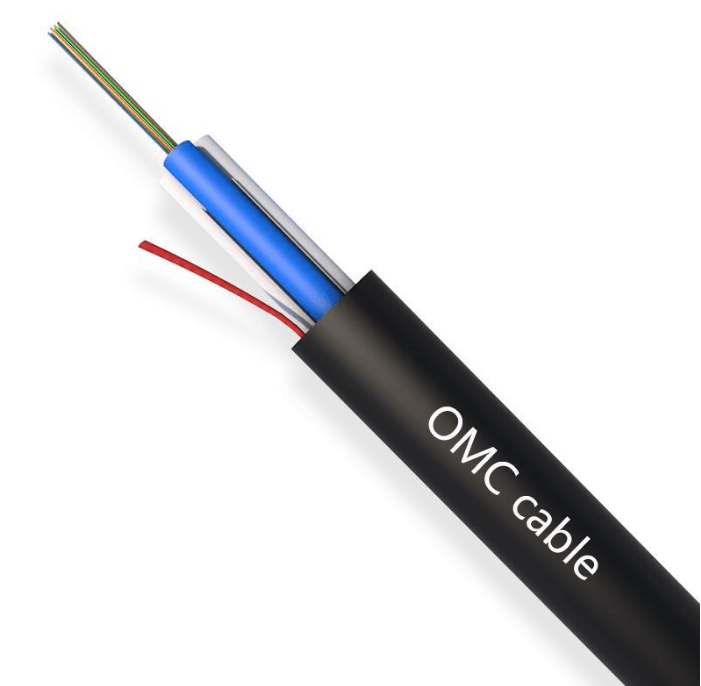
The adss cable is typically composed of:
- Optical fibers (core transmission medium)
- Buffer tubes (protecting fibers from stress)
- Central strength member (often FRP – Fiber Reinforced Plastic)
- Aramid yarn (providing tensile strength)
- Outer protective jacket (resistant to UV, abrasion, and weather conditions)
Because it does not conduct electricity, the adss cable is widely used by power utilities and telecom operators for safe and efficient long-distance data transmission.
Why ADSS Cable is Preferred in Modern Networks
The increasing demand for high-speed internet and reliable communication infrastructure has made the adss cable a preferred solution worldwide. Some of its major advantages include:
- No need for grounding or metallic support
- Resistant to electromagnetic interference (EMI)
- Suitable for high-voltage power line installation
- Lightweight and easy to install
- Low maintenance requirements
- Long operational lifespan (typically 25+ years)
These benefits make the adss cable highly suitable for both urban and remote deployment scenarios.
Key Factors to Consider When Choosing ADSS Cable
Selecting the right cable is not just about price or availability it requires careful evaluation of technical and environmental conditions. Below are the most important factors.
1. Installation Environment
The first and most important consideration is the environment where the adss cable will be installed.
High Voltage Power Lines
If the cable will be installed near transmission lines, you must choose a model with high electrical tracking resistance (AT sheath).
Coastal or High-Humidity Areas
Salt, moisture, and corrosion require UV-resistant and water-blocking designs.
Industrial Zones
Chemical exposure and pollution demand stronger outer jackets and enhanced mechanical protection.
Understanding the environment ensures the selected adss cable performs reliably under real-world conditions.
2. Span Length Requirements
Span length refers to the distance between two poles or towers supporting the cable. This is a crucial engineering factor.
- Short span (up to 100 meters): Lightweight design is sufficient
- Medium span (100–300 meters): Standard reinforced adss cable
- Long span (300–600+ meters): High-tension aramid reinforcement required
Incorrect span selection can lead to sagging, mechanical stress, or premature cable failure.
3. Tensile Strength and Mechanical Load
The adss cable must withstand mechanical forces such as wind, ice load, and tension during installation.
Key considerations include:
- Rated tensile strength (RTS)
- Maximum allowable working tension (MAWT)
- Wind pressure resistance
- Ice load tolerance
For regions with extreme weather conditions, selecting a high-strength adss cable is critical for long-term reliability.
4. Fiber Count and Network Capacity
Fiber count determines how much data the cable can carry. Choosing the correct configuration depends on current and future network demand.
Common fiber counts include:
- 12–24 fibers: Small networks or rural broadband
- 48–96 fibers: Medium telecom infrastructure
- 144+ fibers: Large-scale backbone networks
Choosing the right fiber count in your adss cable ensures scalability and reduces future upgrade costs.
5. Outer Sheath Material
The outer jacket protects the internal fibers from environmental damage. Two common types are:
AT (Anti-Tracking) Sheath
- Used near high-voltage power lines
- Resistant to electrical discharge
PE (Polyethylene) Sheath
- Used in low-voltage or general installations
- Excellent UV and weather resistance
Selecting the correct sheath type for your adss cable is essential for safety and performance.
6. Sag and Tension Design
Proper sag-tension calculations ensure cable stability over long spans. Engineers must consider:
- Temperature variation
- Cable weight
- Wind pressure
- Installation height
An incorrectly tensioned adss cable can lead to excessive sagging or structural stress, reducing its lifespan.
7. UV and Weather Resistance
Since the adss cable is installed outdoors, it is constantly exposed to sunlight, rain, and temperature fluctuations. A high-quality UV-resistant jacket prevents:
- Cracking
- Hardening
- Fiber degradation
This is especially important in tropical and desert regions.
8. Manufacturer Quality Standards
Not all adss cable products are manufactured equally. Always verify:
- ISO certification
- IEC compliance
- Factory testing reports
- Aging test results
- Tensile and crush resistance tests
A certified manufacturer ensures long-term stability and reduced maintenance costs.
Applications of ADSS Cable
The adss cable is widely used across multiple industries due to its versatility.
Telecom Networks
Used for high-speed internet backbone connections.
Power Utilities
Installed along power transmission lines for communication systems.
Rural Broadband Expansion
Ideal for connecting remote areas without complex grounding systems.
Smart City Infrastructure
Supports surveillance, IoT, and data transmission networks.
See also: Technology Trends Shaping the Next Generation
Common Mistakes to Avoid When Selecting ADSS Cable
Many projects fail due to poor selection decisions. Avoid these mistakes:
- Ignoring environmental conditions
- Choosing incorrect span rating
- Underestimating fiber count requirements
- Selecting low-quality sheath material
- Overlooking tensile strength specifications
Each of these errors can significantly reduce the lifespan of your adss cable system.
Installation Best Practices
Proper installation is as important as cable selection. Follow these best practices:
- Use proper tension control equipment
- Avoid sharp bending during installation
- Maintain safe distance from power lines
- Conduct pre-installation sag analysis
- Use trained technicians for aerial deployment
A well-installed adss cable ensures optimal signal quality and durability.
Cost vs Performance Balance
While budget is always a factor, choosing the cheapest option can lead to long-term losses. Instead, evaluate:
- Total cost of ownership
- Maintenance frequency
- Replacement risk
- Downtime impact
Investing in a high-quality adss cable often results in lower lifecycle costs.
Future-Proofing Your Network
Technology evolves rapidly, and network demands continue to increase. When selecting an adss cable, consider:
- Extra fiber capacity for expansion
- Higher tensile strength for future upgrades
- Advanced sheath protection for harsh environments
Future-proof planning ensures your infrastructure remains relevant for decades.
Conclusion
Choosing the right adss cable is a critical decision that directly impacts the performance, safety, and reliability of your communication network. By carefully evaluating environmental conditions, span length, tensile strength, fiber count, and sheath type, you can ensure long-term operational success.
A well-selected adss cable not only improves data transmission efficiency but also reduces maintenance costs and enhances system durability. Whether for telecom, power utilities, or broadband expansion, investing time in proper selection is the key to building a robust and future-ready network infrastructure.
FAQs
1. What is an ADSS cable used for?
An ADSS cable is used for aerial fiber optic communication, especially along power lines and telecom networks without requiring grounding.
2. How long does an ADSS cable last?
A high-quality adss cable typically lasts 20 to 30 years depending on environmental conditions and installation quality.
3. Can ADSS cables be installed near high-voltage lines?
Yes, ADSS cables are designed for installation near high-voltage lines due to their all-dielectric, non-metallic construction.
4. What is the difference between AT and PE sheath in ADSS cable?
AT sheath is used near power lines for anti-tracking protection, while PE sheath is used in general outdoor environments.
5. How do I choose the right fiber count in ADSS cable?
Fiber count depends on network size and future expansion needs, ranging from 12 fibers for small networks to 144+ for large backbone systems.