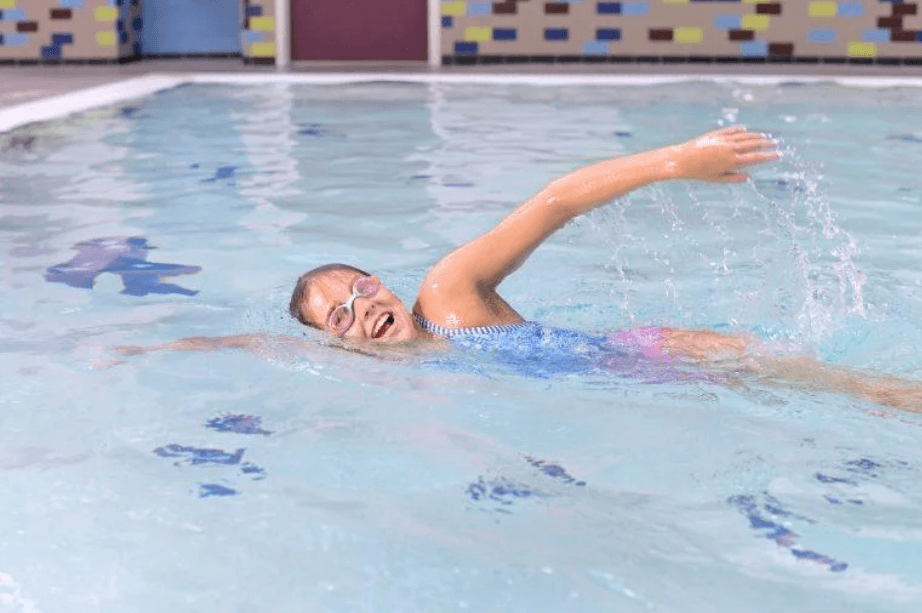
Most people don’t think about swimming until they’re standing at the edge of a pool with their toddler, or until a friend invites them on a lake trip and they quietly start panicking. Swimming falls into that strange category of skills everyone assumes they’ll pick up eventually, and then never do. If you’re in the West Valley and looking for a place to start, swim lessons surprise az is a solid first step, whether it’s for your baby or for you.
It’s easy to treat swimming as a summer activity, something fun but optional. In reality, it’s closer to reading or riding a bike. Once you have it, you use it for the rest of your life, and you rarely think twice about it again. The people who skip it, though, tend to think about it constantly. They avoid pool parties, cancel beach trips, and hover nervously at the shallow end while everyone else has fun.
Swimming Isn’t Just for Kids Anymore
There’s a quiet assumption that swim lessons are something you either learn as a child or you just miss out on forever. That’s not true, and it’s not even close to rare. A surprising number of adults never learned to swim, often because of where they grew up, a bad early experience in the water, or simply because it never came up.
Adult swim lessons exist for exactly this reason, and there’s nothing embarrassing about signing up for them. Adults tend to learn differently than kids do. They understand instructions faster, they can talk through their fears instead of just reacting to them, and they usually progress quicker once the initial nervousness wears off. The hardest part is almost always the first class, not the actual swimming.
The Case for Starting Early
On the other end of the age range, baby swim lessons are less about producing a tiny competitive swimmer and more about comfort and safety. Babies who spend time in the water early tend to be calmer around it later. They learn to hold their breath, react instead of panic, and get used to water on their face without associating it with fear.
This matters more than it sounds like it should. Drowning is one of those risks that people underestimate until it touches their own family, and a lot of that risk comes down to comfort and reaction time in the water, not swimming ability alone. Starting young builds instincts that take much longer to develop later in life.
It also helps that most babies genuinely enjoy it once they get past the first couple of sessions. Parents usually worry more about the class than the baby does.
Why So Many Adults Put It Off
The honest answer is embarrassment. Nobody wants to be the only adult in a beginner class, especially if they’re standing next to a six-year-old who swims better than they do. That fear keeps a lot of people out of the water for years, sometimes decades.
There are also more practical reasons people avoid it. Life gets busy, schedules don’t line up, and swimming feels like something that can always wait until next summer. The problem is that next summer tends to turn into the summer after that, and eventually it becomes a habit of avoidance rather than a temporary delay.
Health is another reason adults come back to swimming later in life. It’s low impact, easy on joints, and one of the few workouts that gets easier to sustain as people get older instead of harder. A lot of adults who never learned as kids end up learning in their thirties, forties, or later, usually after a doctor suggests swimming as exercise and they realize they can’t actually do it.
What Actually Changes Once You Can Swim
The difference isn’t dramatic in the moment, but it shows up constantly. Vacations open up. Pool days with your kids stop being something you sit out. Boating, snorkeling, and even basic things like helping a child who’s struggling in the water suddenly become possible instead of terrifying.
There’s also a confidence shift that has nothing to do with the water itself. People who finally learn to swim as adults often describe it as one of the few times they overcame something they’d been avoiding for years, and that tends to spill into other parts of life too.
Every swim school teaches differently, and the approach actually matters more than people expect. Some pool schools focus heavily on badges and levels without building real comfort or reaction skills in the water, which means a swimmer can technically pass a level and still panic the moment something unexpected happens. Look for a program that spends real time on breathing, calm reactions, and actual water confidence, not just stroke technique.
See also: Online Business Tools 611242870 SEO
Finding the Right Fit for Your Family
Not every program fits every age group the same way, which is part of why swim schools usually separate baby swim lessons, kids’ programs, and adult swim lessons into different tracks. A baby class should be relaxed and parent involved. An adult class should move at a pace that respects the fact that adults process fear differently than kids do, without talking down to them.
Class size matters just as much as age grouping. A crowded class means less individual correction, and swimming is one of those skills where small technical fixes make a huge difference in how quickly someone actually learns. Fewer students per instructor almost always means faster, more confident progress, especially for adults who are working through nerves on top of technique.
If you’re weighing your options and want a clearer picture of what an actual lesson looks like before committing to anything, it’s worth taking the time to reach out to us and ask questions directly. A short conversation usually clears up more than a website ever can, especially when it comes to figuring out the right starting point for your age or your child’s age.
Swimming Is a Skill You Only Have to Learn Once
Unlike a lot of things people invest time into, swimming doesn’t fade the way other skills do. Once the basics are there, they stay there, even after years without practicing. That’s part of what makes it worth the initial discomfort of being a beginner, whether that beginner is six months old or forty-five years old.
It’s also one of the few skills that protects the people around you, not just yourself. A parent who can swim can help their child in the water. An adult who can swim can react calmly if someone else gets into trouble. That ripple effect is easy to overlook until it actually matters.
Learning to swim later than expected isn’t a failure or something to be self-conscious about. It’s just a skill that got delayed, and delayed skills can still be learned. The water doesn’t care how old you are when you finally show up ready to learn.